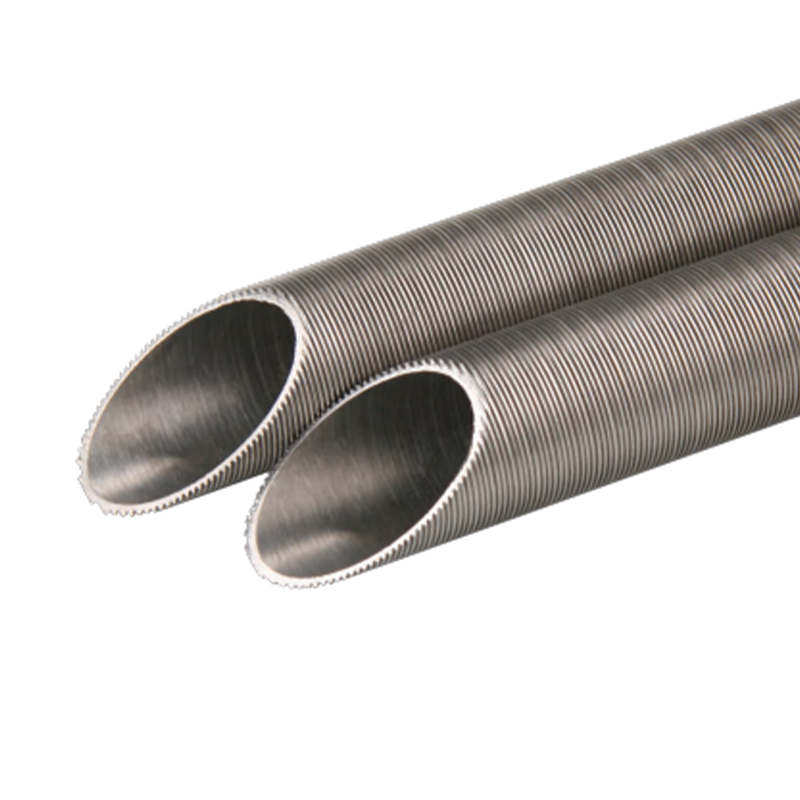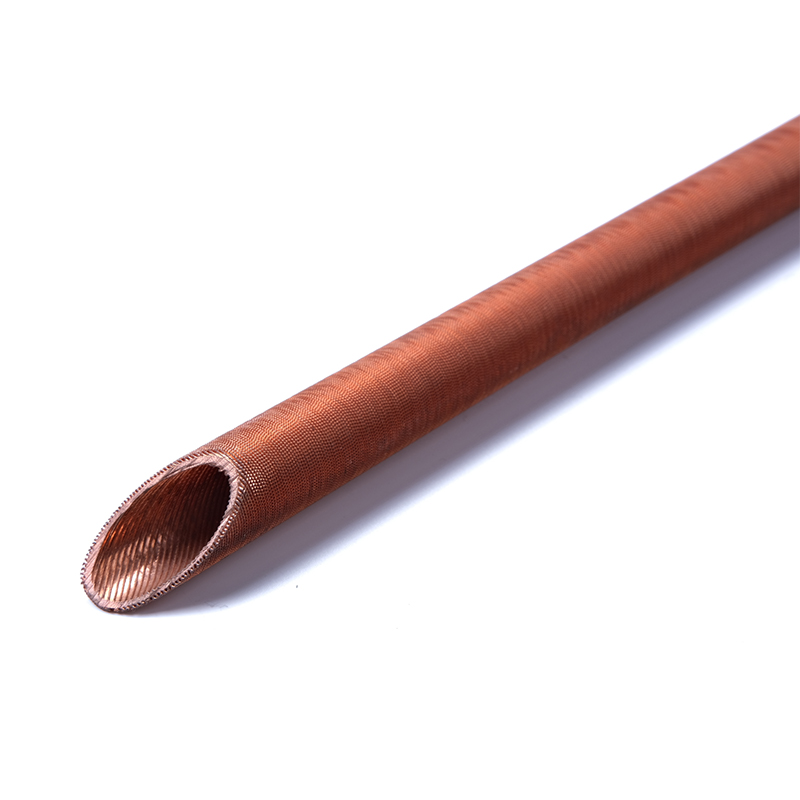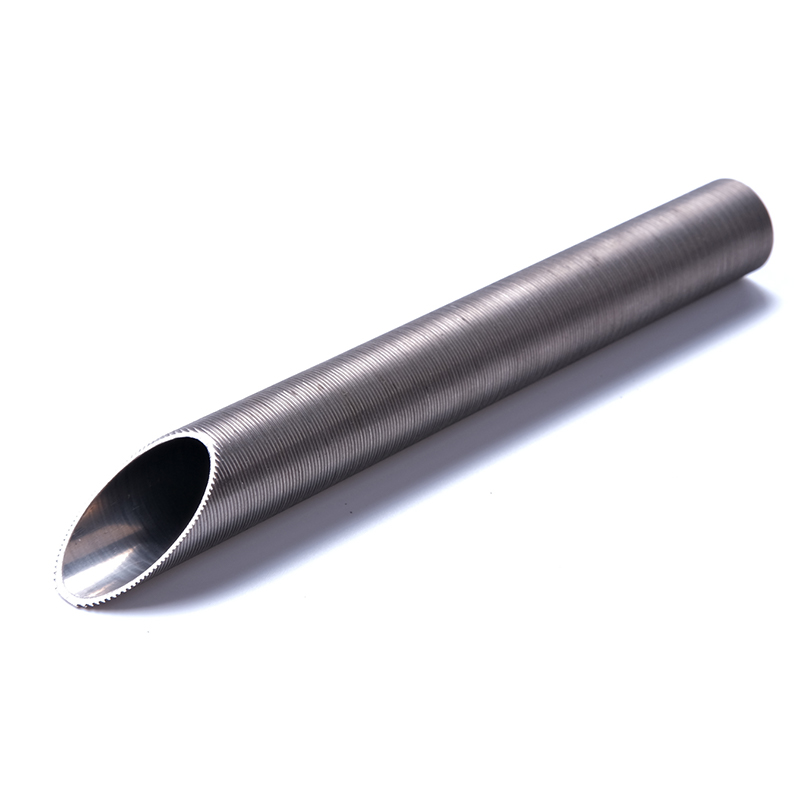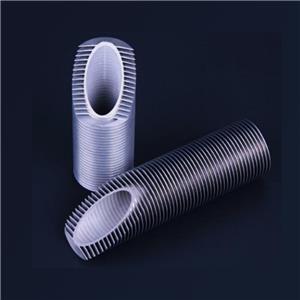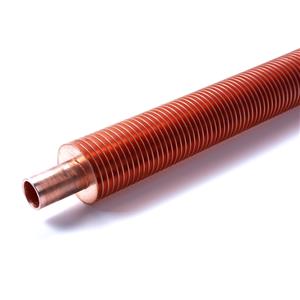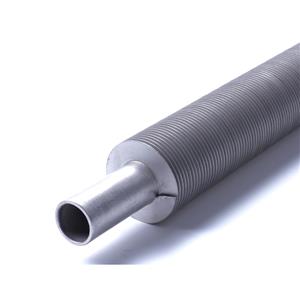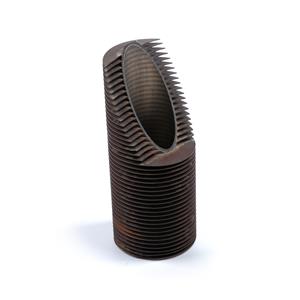
Stainless steel low finned tube

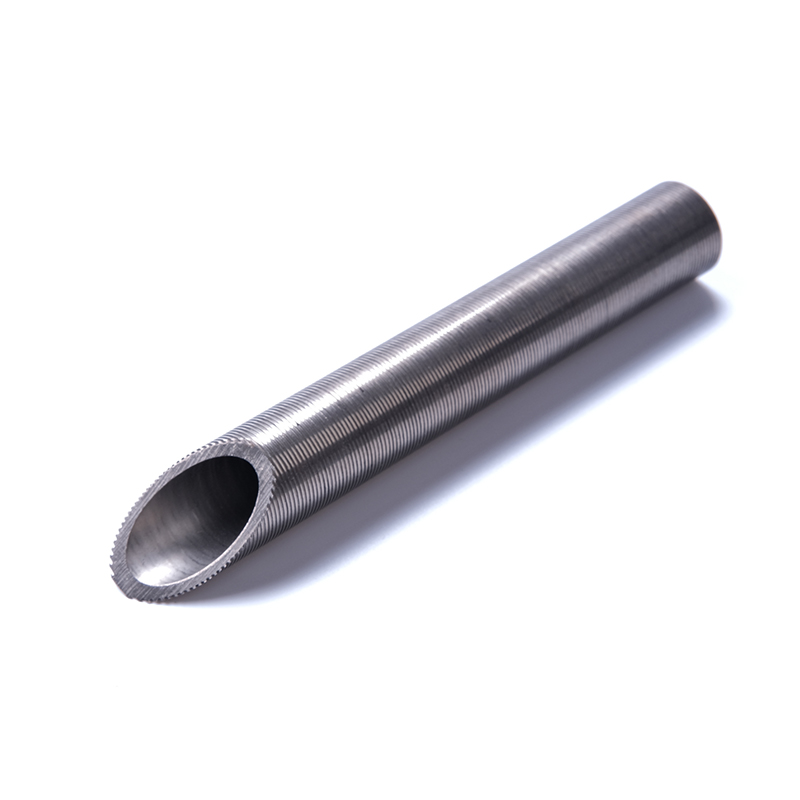
High tensile strength and strong resistance to deformation. Stainless steel material provides better mechanical stability compared with many non-ferrous alloys, making stainless steel fin tube solutions suitable for heavy-duty applications.
Stainless Low Fin (Integral) Tubing
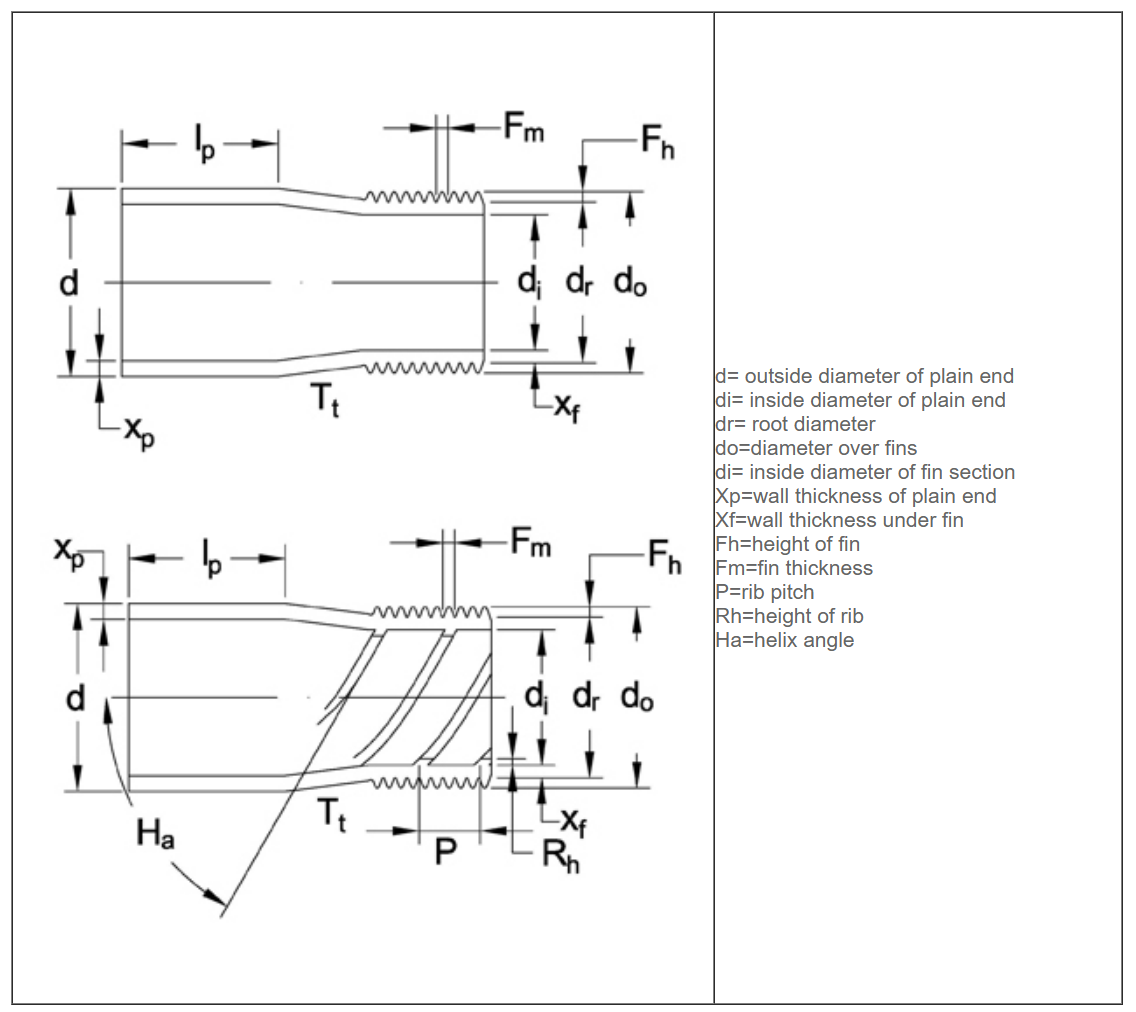
Stainless steel low-finned tube.High tensile strength and strong resistance to deformation. Stainless steel material provides better mechanical stability compared with many non-ferrous alloys, making stainless steel fin tube solutions suitable for heavy-duty applications. Stainless Low Fin (Integral) Tubing. A low-finned tube is a heat exchange element in which fins of a certain height, spacing, and thickness are machined on the outer surface of the light tube through mechanical rolling technology.
It is mainly manufactured by three roll oblique rolling method, and the base tube and outer fins form an integral structure, avoiding the problem of contact thermal resistance [3-4]. Its rib coefficient is 2-3, which enhances heat transfer by expanding the heat transfer area and peeling off the flow layer. At the same time, it uses the thermal expansion and contraction effect to produce a self-cleaning function, and its anti-fouling performance is better than that of the light tube.
Typical Technical Parameters
OD: 12.7 mm - 50.8 mm
Thickness: 1.0 mm - 3.0 mm
Fin height: 0.8 mm - 1.8 mm
Fin pitch: 8 fins/inch - 26 fins/inch
Fin thickness: 0.2 mm - 0.5 mm
Finning ratio (external surface area ratio): 2.0 to 3.5
Maximum operating temperature: up to 400°C, depending on material
Maximum operating pressure: typically up to 10 MPa, depending on design code
Tube length: max 20M
Material grades 304, 304L, 316, and 316L, and duplex stainless steels.
Key Advantages
Fins not only increase the area, but also disrupt the laminar boundary layer during fluid flow, generating turbulence. This disturbance greatly reduces the thermal resistance, resulting in an overall heat transfer coefficient increase of 30% to 50% or even higher compared to traditional light pipes.
Due to the improved efficiency, the volume and amount of pipes used in the heat exchanger can be significantly reduced to achieve the same heat transfer effect, thereby reducing equipment costs
The dense oxide film formed on the surface can effectively resist the erosion of water, steam, acidic and alkaline media, and sulfur-containing flue gas. Especially in harsh environments such as chemical, marine engineering, or waste heat recovery (flue gas side), the lifespan far exceeds that of carbon steel
Compared to light tubes, the fouling cycle of low finned tubes can be extended by more than 5 times, which means fewer shutdowns for cleaning and lower labor costs.
Applications
Stainless steel low finned tube: With its high efficiency, durability, and anti-scaling properties, it is widely used in fields that require high performance and reliability, such as petrochemicals, power energy, waste heat recovery, HVAC, etc
Typical Use Cases
They are preferred when the shell side heat transfer coefficient is the controlling resistance, when expensive materials are involved and efficiency improvements can offset material costs, when upgrading existing exchangers to increase capacity, and when space or weight limitations are critical to the overall system design.
FIN TUBE MEETS THE FOLLOWING QUALITY STANDARDS
ASTM A1012 Seamless and Welded Ferritic, Austenitic and Duplex Alloy Steel Condenser and Heat Exchanger Tubes with Integral Fins