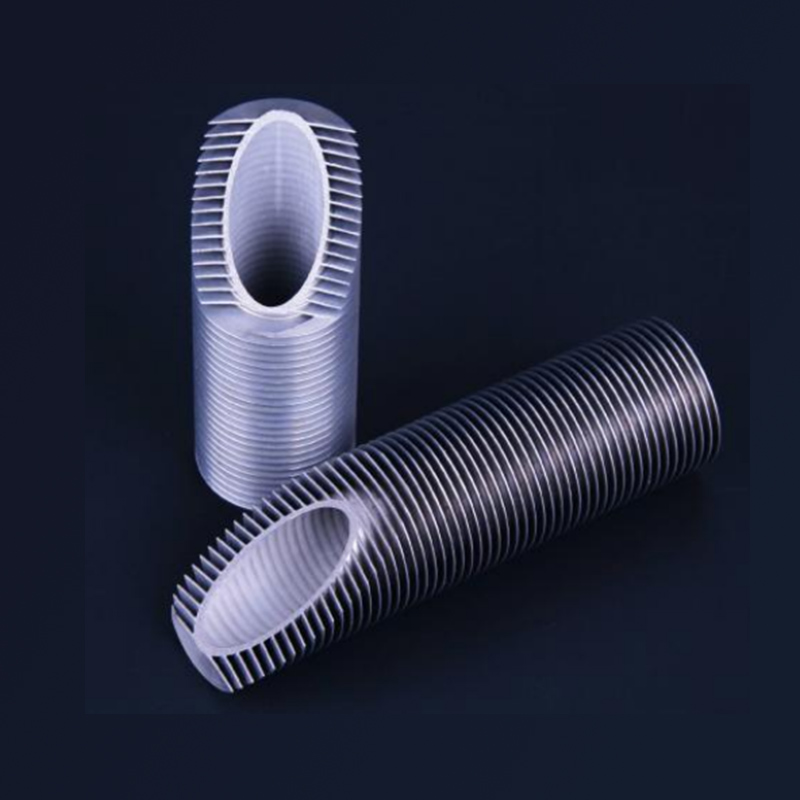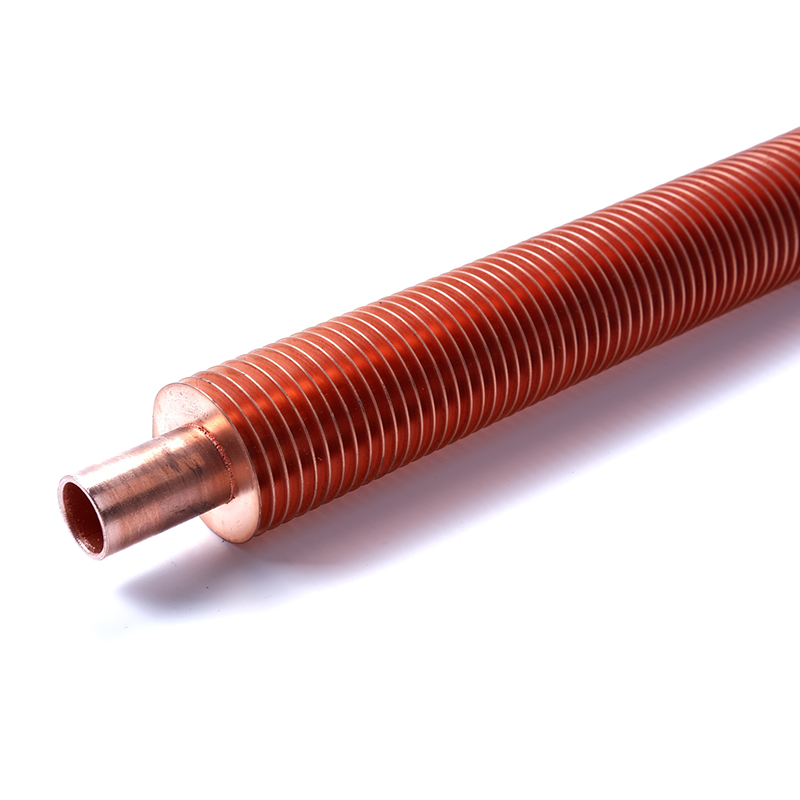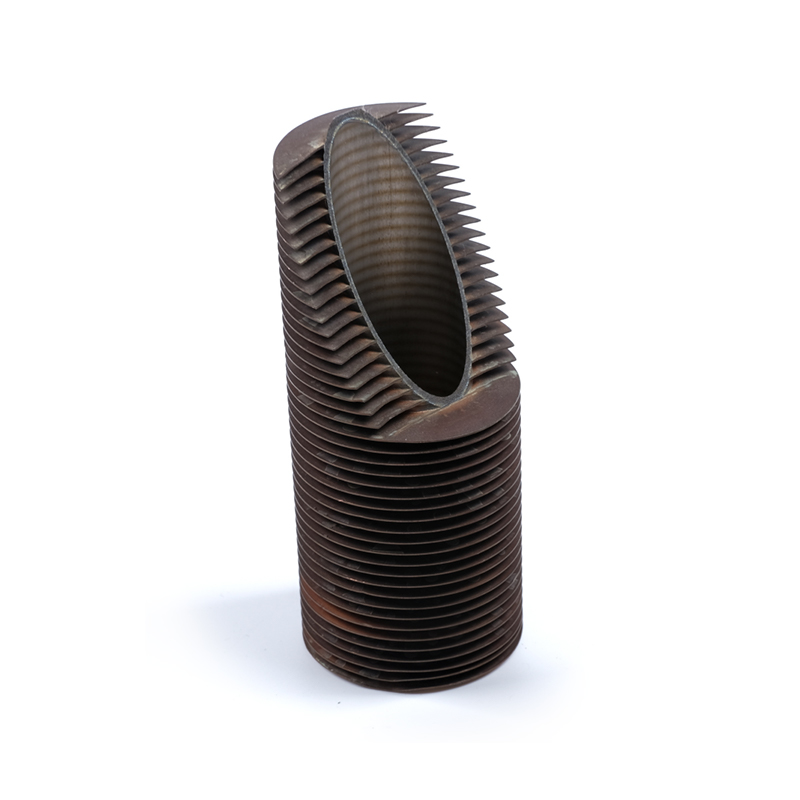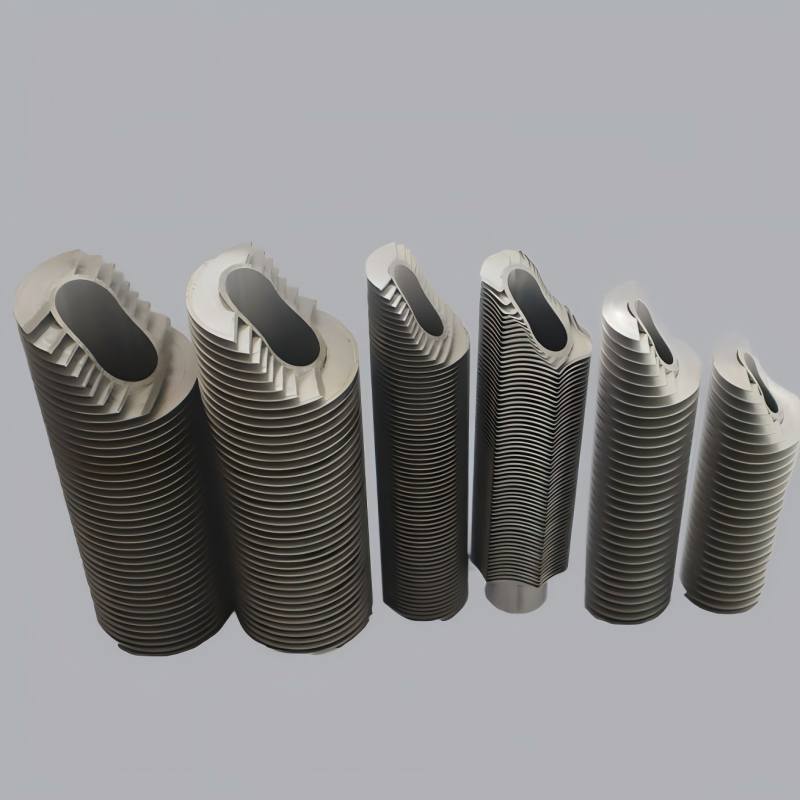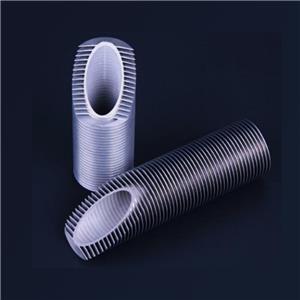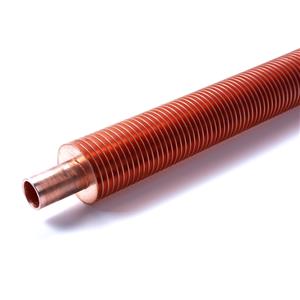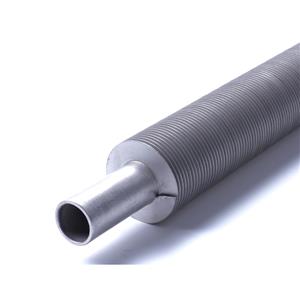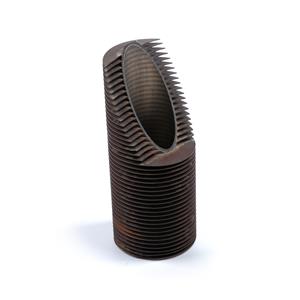
Stainless steel laser welded finned tube

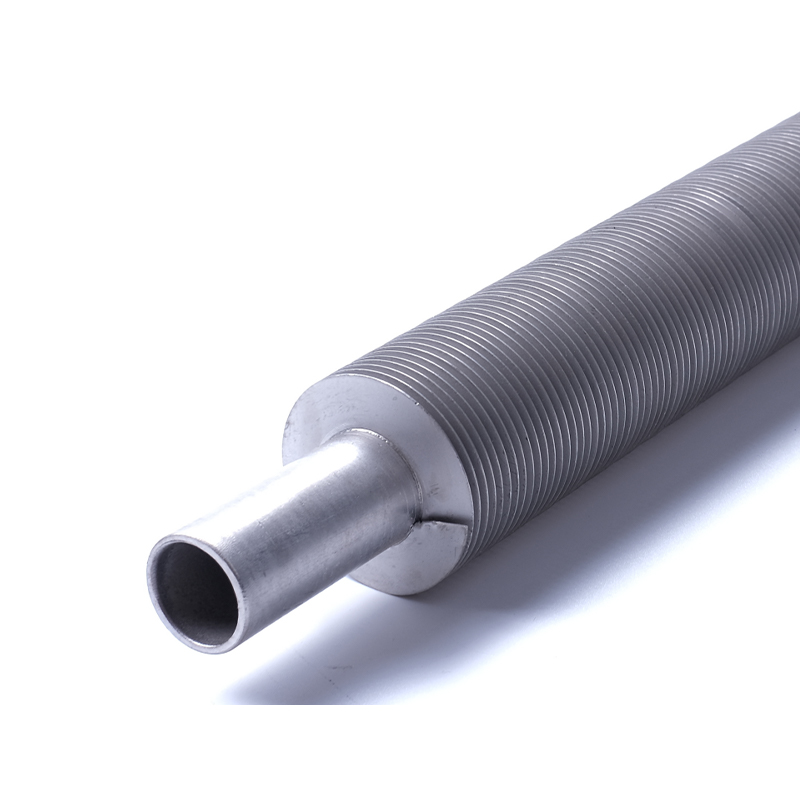
designed to combine the structural strength of stainless steel with the thermal advantages of aluminum or copper. The base tube of the stainless steel finned tube is manufactured from high-quality stainless steel, while the fin material can be stainless steel, aluminum, or copper depending on heat transfer and corrosion requirements.
Stainless Steel Laser welded finned tubes, with their advantages of high-precision welding, excellent corrosion resistance, durability, and energy efficiency, have been widely applied in power generation, chemical processing, and HVAC sectors. Especially under harsh conditions such as high temperature, high pressure, and strong corrosion, they demonstrate significantly superior overall performance compared to conventional finned tubes. The following real-world application scenarios illustrate their core uses and help users make accurate selection decisions.
Scenario 1: Power Industry — Waste Heat Recovery, Air Coolers, and Boiler Economizers
The power industry is the primary application field for laser welded finned tubes, accounting for approximately 38% of total usage. In ultra-supercritical thermal power units and nuclear power plant heat exchange systems, extremely high requirements are placed on durability and heat transfer efficiency.
In one power plant waste heat recovery system, traditional high-frequency welded finned tubes were replaced with laser welded stainless steel finned tubes. As a result, heat transfer efficiency increased by 22%, energy consumption decreased by 25%, and the weld seams showed no leakage or corrosion. The system operated continuously for three years without failure, significantly reducing maintenance costs and downtime losses.
Laser welded finned tubes can withstand temperatures up to 800°C and pressures above 6 MPa, with an operating temperature range from -270°C to 800°C. They are well suited for high-temperature, dust-laden flue gas environments in power plants. Their dense weld seams effectively resist flue gas corrosion, extending equipment service life and making them key components for energy saving and efficiency improvement.
Scenario 2: Chemical Industry — Heat Exchangers, Reactor Cooling, and Seawater Desalination
The chemical industry involves complex operating conditions, often including high temperature, high pressure, and highly corrosive media such as sulfur-containing flue gas and acidic or alkaline solutions. This places extremely high demands on corrosion resistance.
In a methanol synthesis reactor cooling system, a chemical plant adopted laser welded nickel-based alloy finned tubes with a base tube diameter of Φ32 mm and fin thickness of 1.0 mm. The weld heat-affected zone was limited to only 0.2 mm. These tubes can withstand temperatures up to 600°C and pressures of 10 MPa, and have operated continuously for five years under conditions of 280°C and 8 MPa without failure. Cooling efficiency improved by 18% compared to conventional solutions, effectively eliminating issues such as cracking and leakage.
In seawater desalination applications, laser welded finned tubes made of 316L stainless steel, combined with dense weld seams, effectively resist chloride ion corrosion. Their service life is extended by 30%–50% compared to traditional products, meeting the long-term reliability requirements of desalination systems.
Scenario 3: Civil and High-End Applications — District Heating, Mobile Cooling, and Aerospace
In civil applications, laser welded finned tubes are used in district heating systems, food drying, solar thermal equipment, and residential boilers. Their compact structure saves installation space, while high heat transfer efficiency reduces energy consumption in heating and drying processes.
In one oilfield waxy crude oil pipeline heat tracing system, laser welded steel finned tubes (base tube Φ32 mm, fin height 10 mm) were used. Even at ambient temperatures of -30°C, the pipe surface temperature could be maintained above 45°C, effectively preventing wax formation. In crude oil environments containing trace amounts of H₂S, the service life exceeded 10 years—five times longer than traditional galvanized finned tubes.