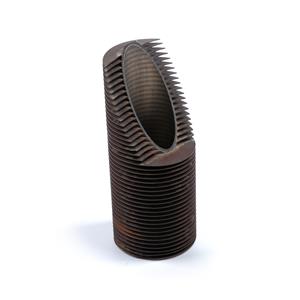
Studded Tube

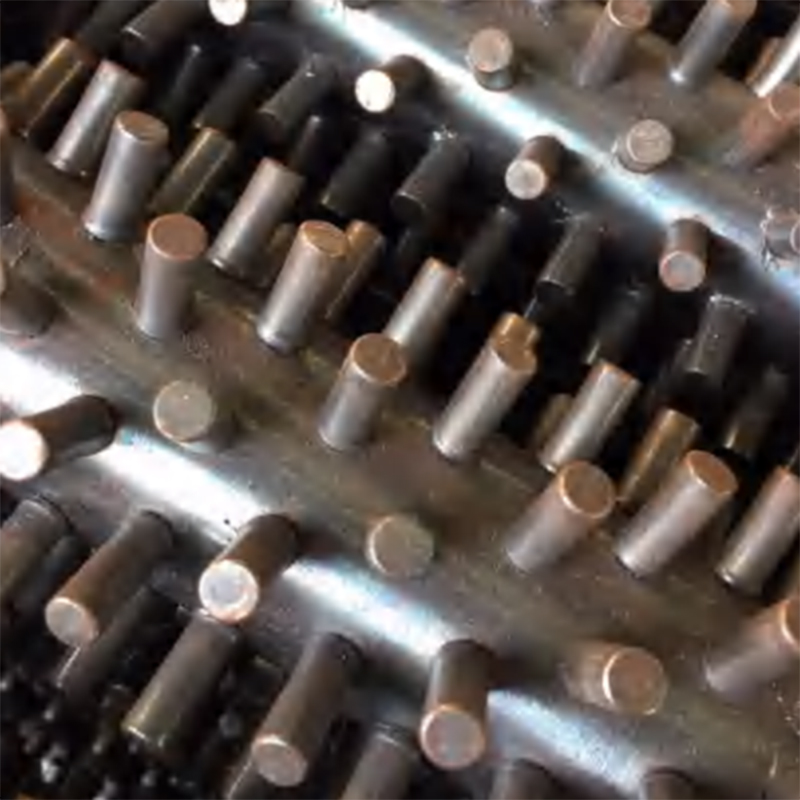
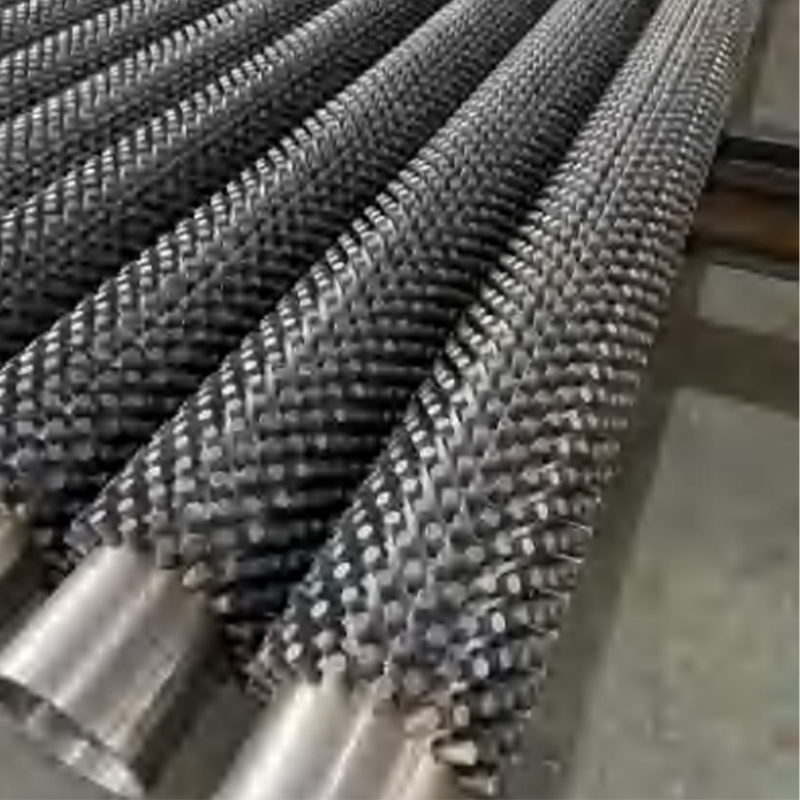
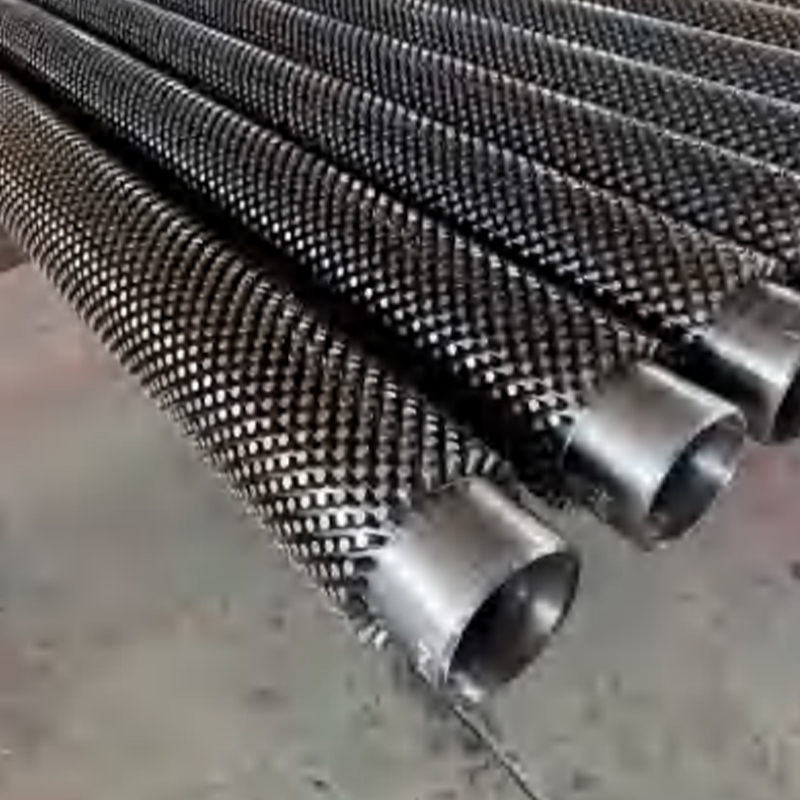
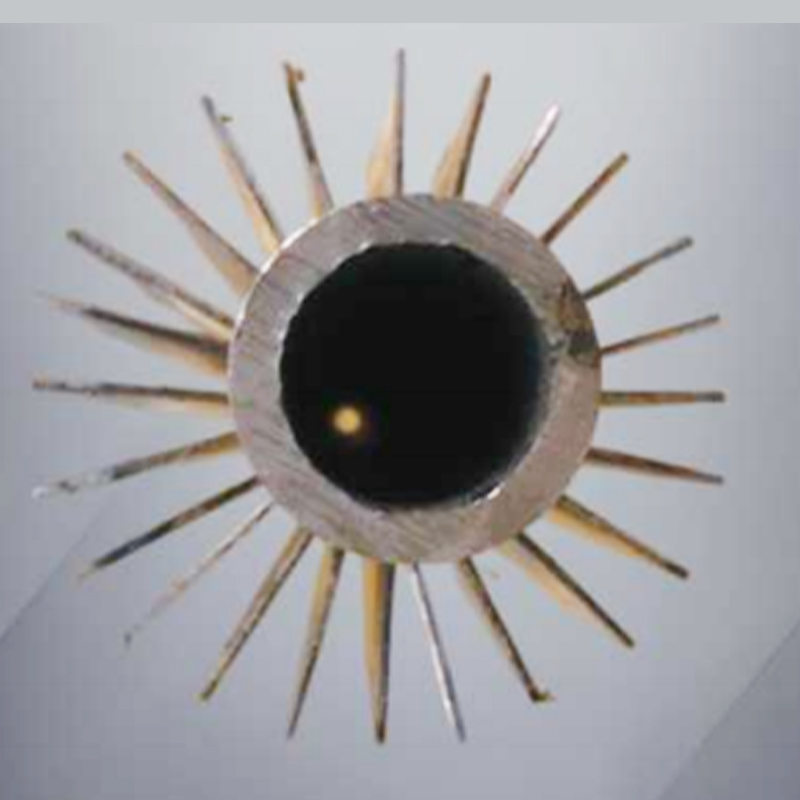
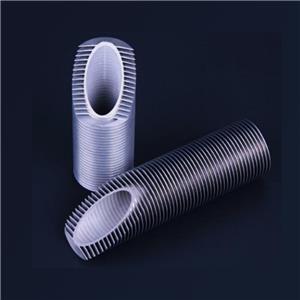
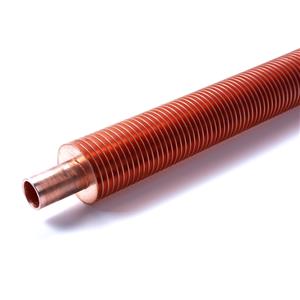
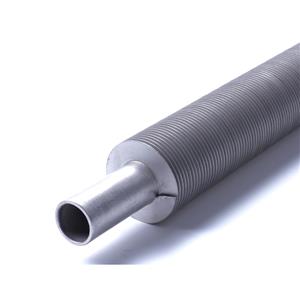
The defining characteristic of the studded tube is the presence of numerous short cylindrical studs welded across the tube surface. This stud configuration enhances convective heat transfer while preserving structural robustness.
What is a Stud Tube?
A stud tube refers to one kind of heat transfer tube that are made more efficient and capable of performing better in the industrial furnace's convection parts, typically found in petrochemical and refining industries. It is basically a plain tube that has been fastened with a number of cylindrical studs through welding. Typically, these studs are positioned in a staggered manner, such as in a square or hexagonal patterns, around the tube's circumference.
Such configuration raises the external surface area to two or even three times that of a plain tube, thus, in such a way, flue gas-side heat transfer efficiency is substantially increased, which is the main factor to meet heat transfer requirement among different fluids inside and outside the tube.
How is it Manufactured?
The main method of producing stud tubes is resistance welding. The process is controlled in great detail by a PLC program. Metal bits called electrodes hold the stud tightly against the surface of the steel pipe. Through this point of contact, a very high electrical current passes, producing resistance heat. As a result, the heat causes the materials in a small area to melt, and with the application of force, the stud gets welded very tightly to the tube.
The whole process of automatically feeding the studs; accurately moving and positioning the welding points; and controlling the parameters is handled by the computerized system to guarantee the quality of the weld for each stud without variation.
Industrial Applications
There are many applications for studded tubes in industries such as:
Power plant boilers
Waste heat recovery units
Petrochemical furnaces
Refinery heaters
Incineration systems
It is the strength of the stud tube that makes the design a perfect choice for extreme temperature, dusty and corrosive gas environment. If physical strength and lessening fouling are the main points, the studded fin tube is an equally strong alternative to the conventional low finned tubes.
FAQ:
1. Are you manufacturer or trader?
We are titanium tube manufacturer producing from melting titanium sponge, extruding hollow billet, rolling to finished tubes and destructive test mechanical test, chemical analysis, non-destructive tests like Ultrasonic test, Eddy current test, Pneumatic test and hydrostatic test are available in house.
Beside titanium tube production line, we also have finning lines. Our factory is still expanding and will invest more on finning facilities.
2.How many workers are there in your factory?
We shall have 210 staffs by 2026.
3. How fast can you deliver the materials?
It depends on the size and quantity, the standard time is 45 days.
4. What is the payment term you can offer?
Standard term is 30% T/T in advance, balance before shipment. L/C is also acceptable. It can be discussed based on different project.
5. Can you provide third party inspection service?
Yes, we can arrange BV/TUV/SGS/LR etc inspection. EN10204 3.2 certificate can be provided.
6. What is your annum turnover?
For 2025, we have had 100 million US dollars turnover for our whole group including factory and the export company.
7. What is the percentage of your export and domestic market share?
Approximately 30% of orders are for export and 70% are for domestic market. However we are aiming to increase more investment on export and hopefully the percentage can be 50-50 in the near future.
8. What country are your clients from?
We are working with overseas clients from Europe like Netherland, France, Italy, Spain etc, USA, Korea, Japan, Indonesia, Vietnam, Singapore, Chile, Argentina, Brasil, Russia, Belarus, Uzbekstan. Basically we work with clients from all over the world. We welcome every client to approach us for inquiry, and we will be ready to serve our clients. We also welcome our clients to visit our factory for onsite audit.